You have no items in your shopping cart.
Subtotal: €0.00


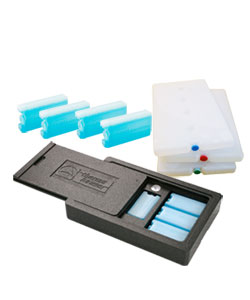
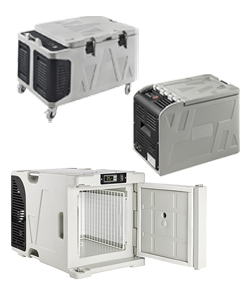
Insulated containers are the safe, professional and compliant solutions for the transport of food, drinks, drugs and biomedical products. They are indispensable to prevent alterations of the transported content that could be caused by the change in temperature. By preventing temperature changes and keeping the temperature constant, the isothermal containers allow the safe and suitable transport of hot, fresh or frozen food, but also of medicines.
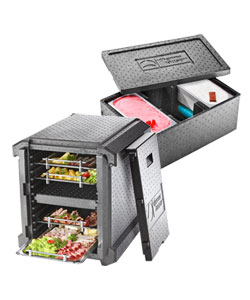
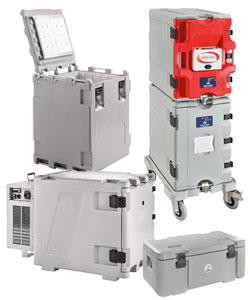
For the safe transport of hot, fresh and frozen food different type insulated container are available: insulated food boxes in expanded polypropylene useful for compliance with HACCP standards and insulated containers in the ATP regime. All containers are suitable for the transport of food in compliance with current regulations regarding food hygiene, food preservation and maintenance of the cold chain throughout the logistics cycle.
When transporting drugs and biomedical products, it is essential to avoid sudden changes in temperature that could alter and damage them. For this reason, the range of insulated containers is complete with thermal containers for medicines that keep the temperature constant for safe and compliant transport.
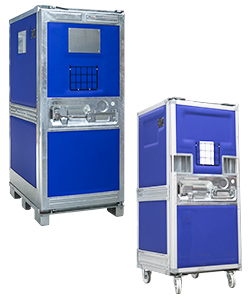
The wide range allows to find the most suitable solution for canteens, catering, hotels, ice cream parlors, pastry shops and catering or food distribution activities, but also for pharmaceutical companies and hospitals. Insulated containers are available for immediate delivery in various types, sizes and capacities, with wheels or on pallets for handling by hand or with forklifts.

Plastic bins

Security and environment
Bins
Bunded pallets in polyethylene or steel
Drum dispensing and supports
Outside storage containers and cabients in steel and polyethylene
Metal sheds, portacabins and shipping containers, portable toilets
Metal shelving for the storage of drums, IBC and containers
Gas bottle storage depots and cabinets
Safety barriers and jersey barriers

Shop fittings and workshop storage

Trucks and warehouse trolleys

Metal containers
Steel containers and laundry trolleys
Wire containers
Dumping bins and tipping skips
Sheet metal industrial containers
Mesh industrial containers
Drop bottom skips and bins
Open fronted metal containers
Metal storage boxes and bins
Crane boat skips and concrete buckets for building
Site boxes for tools

Insulated containers

Packaging and shipping supplies

Pallets

Wheels and castors

Lifting equipment and loading

Machine tools and processing machinery

Power tools and hand tools
Tool sets and assortments
Tool kits in cases and boxes
Wrenches and spanners
Screwdrivers
Male-end wrenches
Bits and bit holders
Sockets and accessories
Torque wrenches and multipliers
Pliers, wire cutters and nippers
Drills, impact drivers and pneumatic tools
Punches, drift, pin and centre punches
Car jacks, car and motorcycle lifters
Car battery chargers and starters
Cable reels and hose reels